
- Home
-
About Us
About Us
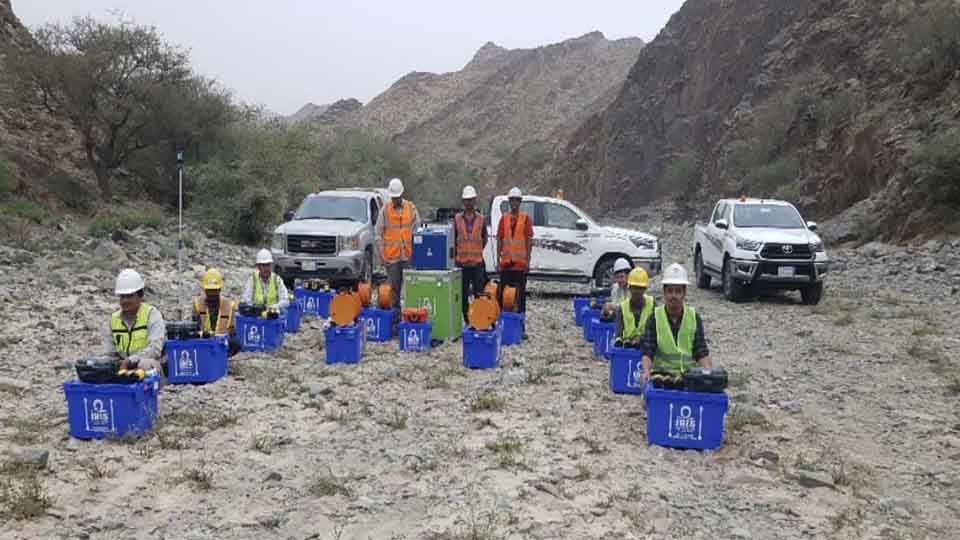
No Job Is Too Big or Too Small
-
Our services
Our services
Delivering Superior Performance and Operational Efficacy
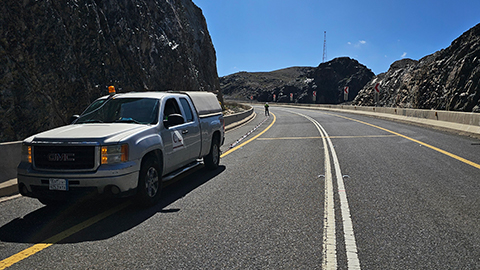
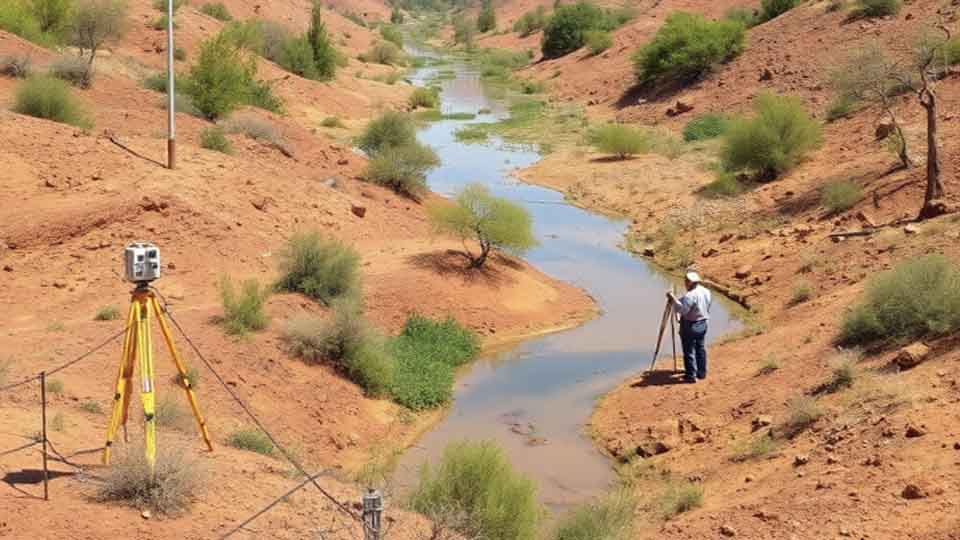
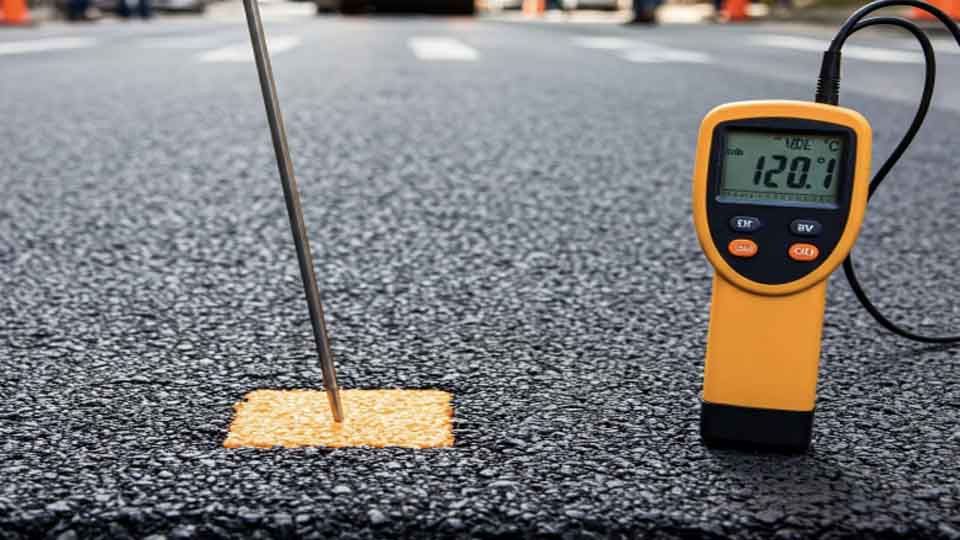
-
Methods
Methods
Offering Tailored Solutions For Customer Requirements
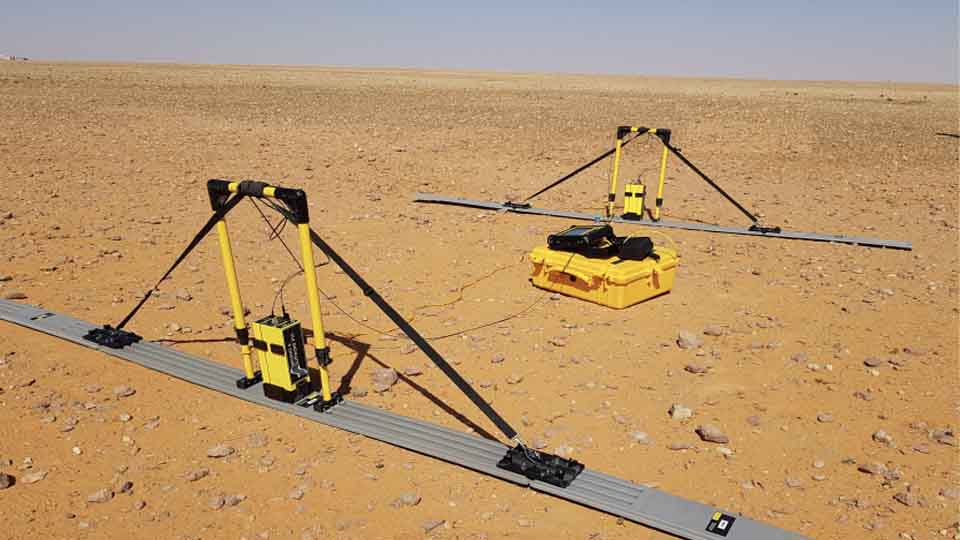
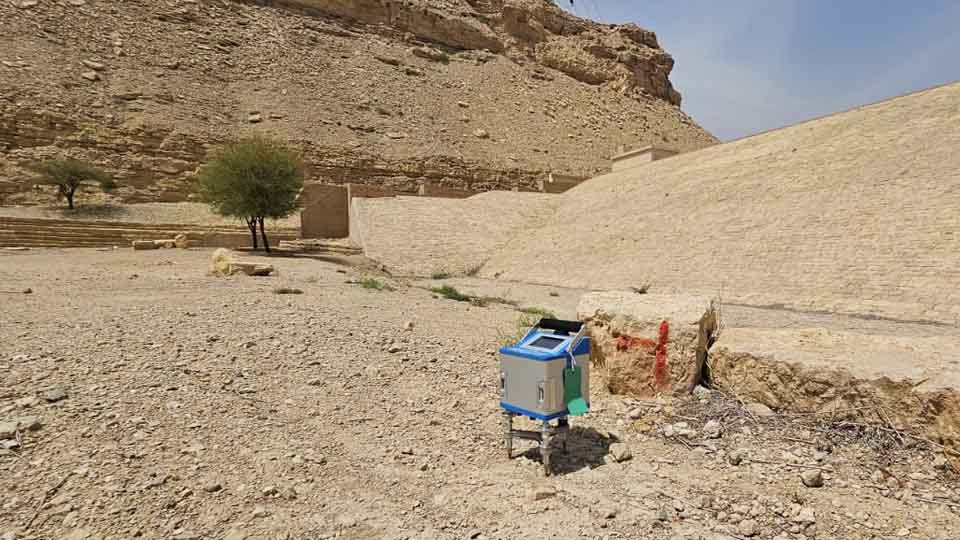
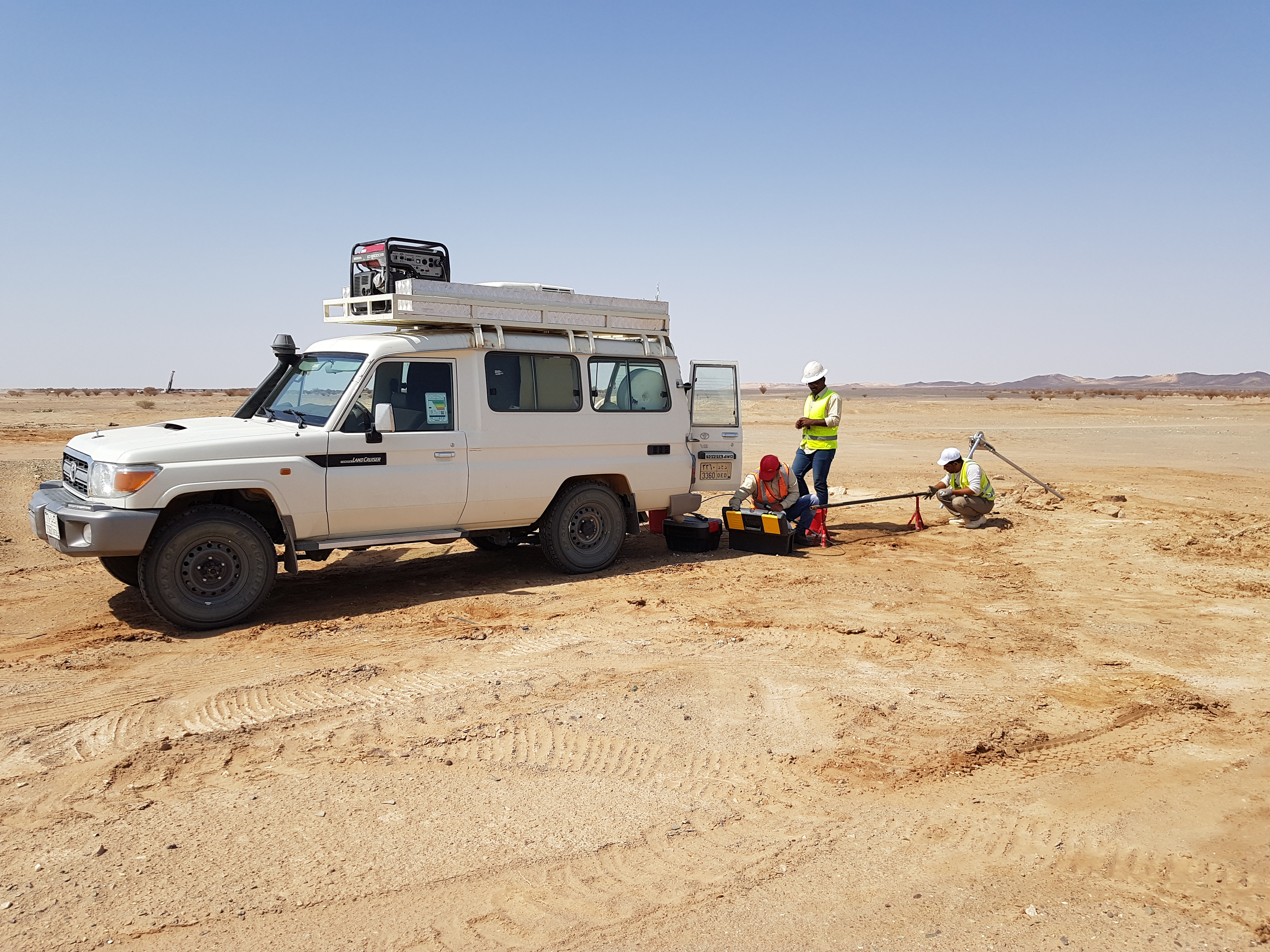
Seismic Methods Electrical Methods EM Methods Magnetic Methods GPR Method Gravity Methods Borehole Logging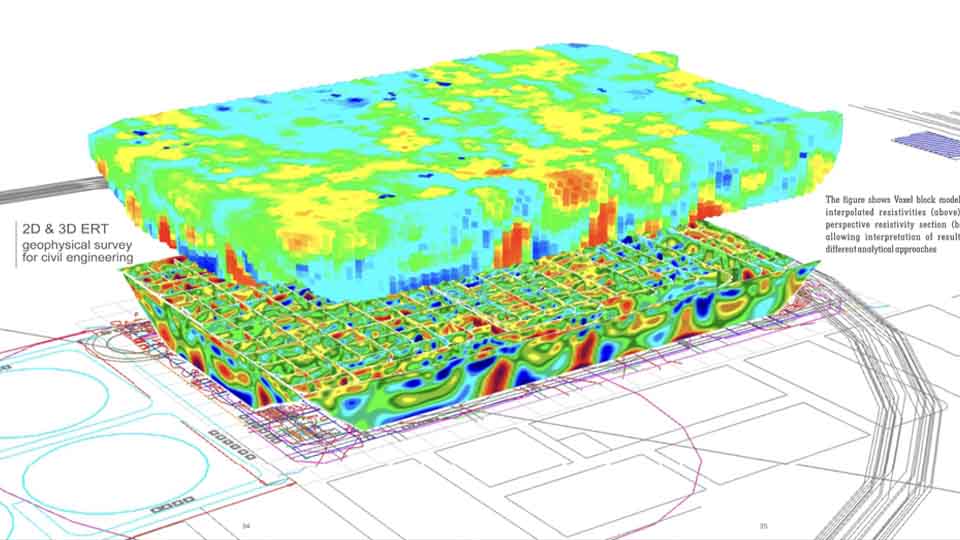
-
Project Cases
-
News
- Contact
-

Seismic Methods
Seismic geophysical methods can cost-effectively image the subsurface over a large area and have been extensively used in deep earth studies and natural resource exploration
-

Electrical Methods
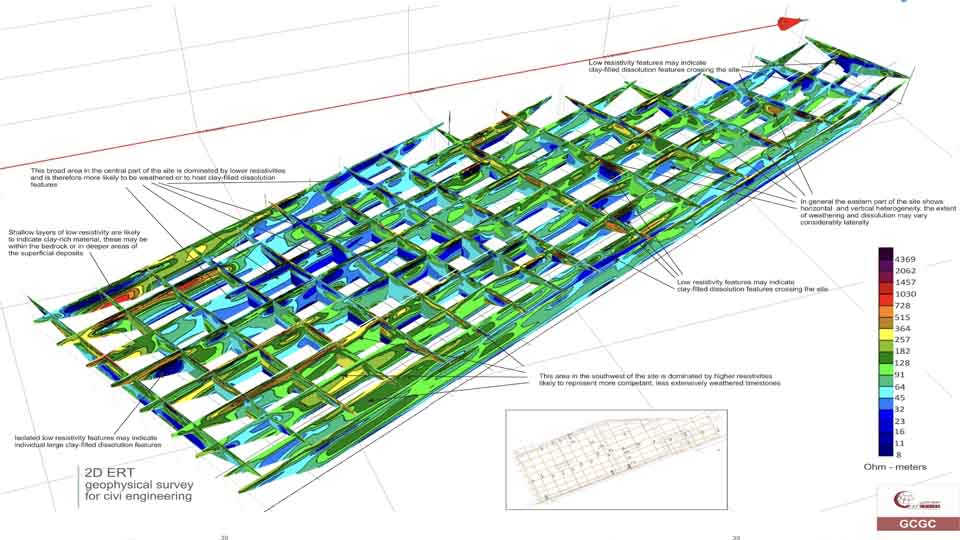
The electrical properties of the subsurface vary with the ground material, the presence and saturation level of fluids, and the presence of buried objects. Electrical techniques seek to describe the distribution of these properties as a function of depth and horizontal distance.
-
EM Methods
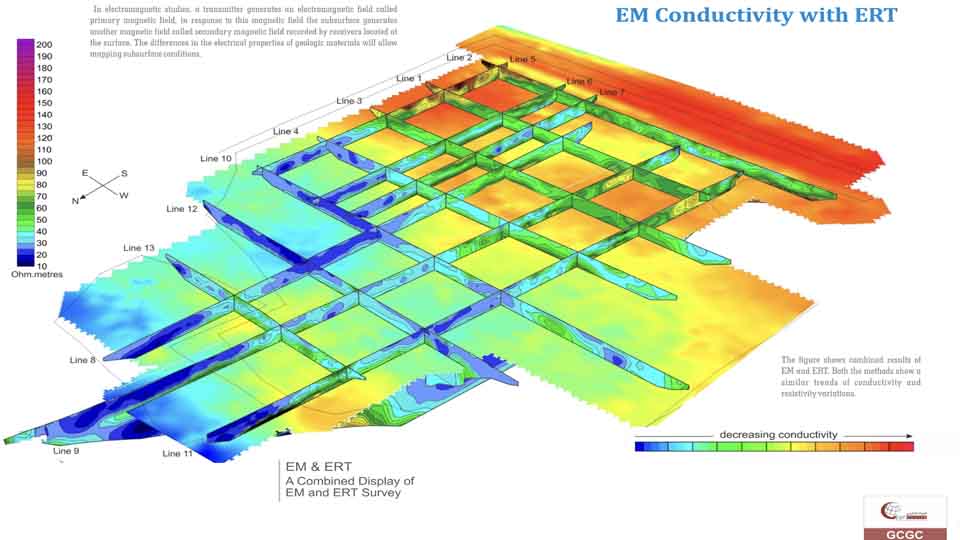
Electromagnetic (EM) surveying, the electrical conductivity of the ground is measured as a function of depth and horizontal distance. Different rocks exhibit different values of electrical conductivity. The electromagnetic method is based on the induction of electric currents in the ground by the magnetic component of electromagnetic waves generated at the surface
-
Magnetic Methods
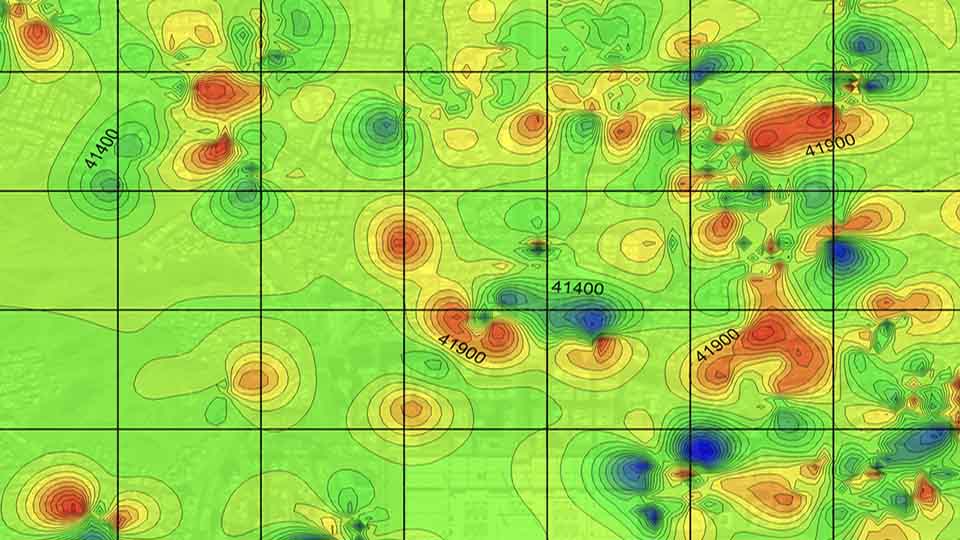
For the magnetic geophysical method to be useful, the targeted geologic structure or man-made item needs to be the right size and orientation to the earth's field such that anomalous field can be detected.
-

GPR Method
GPR works by sending a tiny pulse of energy into a material and recording the strength and the time required for the return of any reflected signal. A series of pulses over a single area make up what is called a scan.
-

Gravity Methods
The gravity technique is based on measuring localized changes in the Earth's gravitational field which are caused by materials of different densities.
-

Borehole Logging
Well Logging is an evaluation method in which a logging crew lowers a special tool, a sonde, into the well and then pulls it back up. As the sonde passes the formations on its way up the wellbore, it senses and measures electrical, radioactive, and acoustic (sound) properties of the rocks.